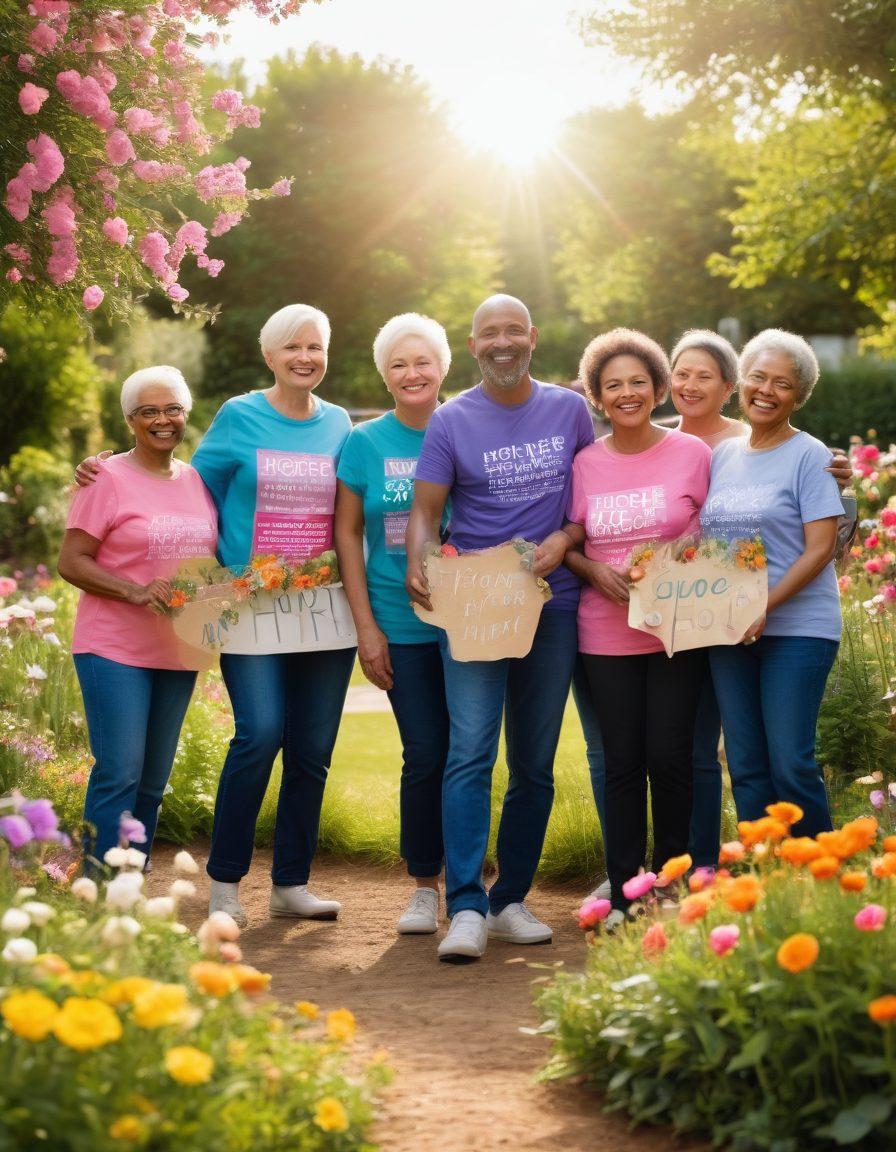
Empowering Cancer Warriors: Navigating Treatment Options and Wellness Strategies
In the journey of battling cancer, knowledge is one of the most powerful tools a warrior can possess. Navigating the complicated landscape of tumor treatments requires not just awareness but also a proactive approach to understanding various options available in the realm of oncology. With terms like chemotherapy, immunotherapy, and radiation therapy thrown around, it can be overwhelming for patients and their families. How do you make sense of it all? How do you choose the right path for yourself or a loved one?
One of the first steps in this journey is familiarizing yourself with the different treatment options available for different types of malignancies and neoplasms. Surgery is often one of the first lines of defense against tumors. It involves the removal of cancerous tissues and can sometimes lead to a cure. But for many patients, additional treatments like chemotherapy or radiation therapy are necessary to eliminate any remaining cancer cells. Do you know someone who's faced these choices? Their stories may resonate with your experience and guide you toward informed decisions.
While exploring treatment options, don’t overlook the importance of clinical trials. These cutting-edge studies often serve as gateways to breakthrough therapies that might not be available to the general public yet. Engaging in medical research means opening doors not only for yourself but also for the wider cancer community. Think of it this way: would you be willing to take a risk that could not only benefit you but also pave the way for future cancer support and wellness strategies?
Let’s not forget about the emotional and mental toll that a cancer diagnosis can inflict. Psychosocial support plays a crucial role in the holistic health of a cancer warrior. Seeking out counseling, joining support groups, or connecting with others who understand your journey can significantly impact your wellness. Have you perhaps considered how community support and family support can uplift your spirits during this challenging time?
Lastly, don’t underestimate the influence of lifestyle choices on your journey to recovery. Nutrition, active living, and even alternative therapies can complement traditional oncology treatments to improve your overall health. As you take charge of your wellness, remember the words of an inspiring survivor: 'Just because I have cancer doesn’t mean I can’t live my life.' What small steps toward healthy living can you take today to foster resilience and hope for tomorrow?
Wellness Strategies for Survivorship: Enhancing Health Through Nourishment and Support
Survivorship is not merely an end; it’s a new beginning. After bravely navigating through the storm of treatments like chemotherapy, radiation therapy, or surgical interventions for malignancies such as tumors or neoplasms, many cancer warriors find themselves at a crossroads. How do you continue to enhance your health and well-being post-treatment? The journey of survivorship is layered, filled with newfound perspectives on wellness, nutrition, and support systems that can empower individuals to lead fulfilling lives. Together, let’s explore actionable wellness strategies that nurture both the body and mind after a cancer diagnosis.
One powerful approach to enhancing health during survivorship is through mindful nutrition. What if I told you that the right food choices could help you regain control over your health? Integrating whole foods into your diet, rich in antioxidants and nutrients, can be a fundamental part of cancer survivorship. Fruits, vegetables, whole grains, and healthy fats not only nourish your body but also boost your immune system. Remember, it’s not just about eating; it’s about fueling your journey towards reclaiming vitality. Consider discussing your dietary choices with a healthcare professional specializing in nutrition for cancer patients to tailor a plan that suits your unique needs.
Moreover, we often overlook the crucial aspect of psychosocial support during the survivorship phase. Connecting with other survivors or joining cancer support groups can have enduring benefits. Have you ever felt the comfort that comes from sharing your story with someone who truly understands? Community support and patient advocacy play a crucial role in fostering emotional resilience. By tapping into these networks, cancer survivors can share coping strategies, experiences, and resources, which reinforce their resolve and enhance their overall mental health. Engaging with support groups offers not just camaraderie but also the chance to raise disease awareness and educate others about the importance of early detection and screening.
Additionally, consider exploring alternative therapies and lifestyle adjustments that resonate with your personal health philosophy. Many survivors have found solace in practices like yoga, meditation, or acupuncture. These therapies can be particularly helpful in managing symptoms and reducing stress. What activities help you relax and recharge? Identifying and committing to practices that center your mental and emotional well-being can be a game changer as you transition into your new normal post-treatment. Always remember to consult with your healthcare provider before trying new therapies to ensure they align with your treatment options and overall health plan.
Finally, engaging in ongoing medical research, clinical trials, and advancements in cancer treatments can inspire hope and community among survivors. Staying informed equips you with the foundation to advocate not just for yourself, but for others navigating similar paths. How can you become a beacon of knowledge for others? Participating in healthcare discussions, attending workshops, or sharing your survivor story on health blogs can ignite change and uplift fellow warriors. Remember, the journey doesn’t end with treatment; it’s an evolving path toward wellness and resilience. Embrace it with an open heart, and you will inspire others to do the same.
Empowering Patients: The Role of Advocacy and Community in Cancer Care
Navigating the uncertain waters of a cancer diagnosis can often feel like being thrown into a storm without a life raft. Yet within this storm, there are countless stories of hope, resilience, and empowerment. As cancer warriors embark on their journey through oncology, the role of advocacy and community in cancer care becomes not just beneficial, but crucial. Patients shouldn’t feel like they are facing their cancer treatment options alone; the influence of community support and patient advocacy plays a profound role in enhancing their experience and outcomes.
Imagine sitting in a sterile examination room, the air heavy with worry and questions. The oncologist shares news about a tumor, a malignancy that upends your sense of normalcy. How do you navigate through chemotherapy, radiation therapy, or even clinical trials without a support system? This is where advocacy shines its brightest. Patient advocates—whether they are healthcare professionals, friends, family, or fellow survivors—offer seasoned guidance, helping to demystify treatment options and ensuring that your voice is heard in conversations about your health and wellness.
"The greatest gift you can give someone is your time"—a poignant reminder that sometimes, just being present is enough. Building a strong community around cancer support not only cultivates resilience but also fosters a sense of belonging. Whether through support groups that share stories of survivorship, online forums buzzing with tips on nutrition or symptom management, or local workshops on lifestyle changes, these connections become a lifeline for many undergoing treatment. How can we harness these communal bonds to advocate for disease awareness and greater accessibility in healthcare?
One cannot underestimate the power of psychosocial support during such challenging times. Engaging with a community that understands the intricacies of living with a neoplasm offers not just camaraderie but also encouragement on those tough days. By sharing experiences and resources, cancer warriors can explore alternative therapies, nutrition options, and even palliative care pathways while supporting one another's journey. Family support plays a significant role as well; knowing you have that solid foundation can empower you to take charge of your health, advocate boldly, and persevere through the darkest moments.
In the world of cancer care, the mantra of 'knowledge is power' rings especially true. Education around early detection, screening methods, and the latest in medical research equips patients with the tools they need to stand up for themselves. With an abundance of information available from health blogs and trusted resources, it's vital to create a proactive approach and engage in discussions about your treatment options, including the possibilities of immunotherapy or promising clinical trials. Together, through advocacy and community support, patients can emerge as resilient warriors, committed to their wellness journey with strength and resolve.